
Get to Know Blister Card Packaging: A Smart Choice for Brands
-
 December 12, 2025
 -
 0
0
Introduction
Blister card packaging is one of the most well-known types of retail packaging in the world. You have seen it many times on store shelves. It keeps many products, like electronics, tools, medicine, and makeup, neat and easy for people to see. This kind of packaging can keep products safe while showing them off in a way that stands out, which helps brands in today’s busy market. A blister card brings together a shaped plastic covering and a printed card. This makes sure your product is safe. It also looks good and helps with how work gets done.
Businesses that want to save money but still look good use blister packaging. It helps them come across as professional and secure, and you can use it for many different kinds of products.
What Is Blister Card Packaging?
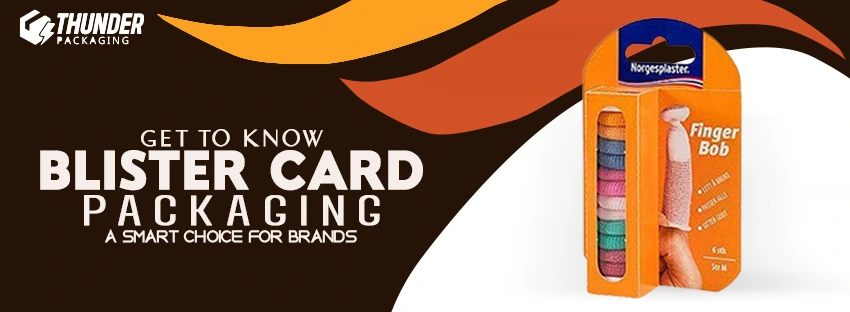
Blister card packaging uses a clear plastic pocket, called a blister. The blister is stuck to a paperboard or foil card. This lets people see the product, but keeps it safe from dust, water, and damage. Many consumer products and medicines use blister packs. They show if someone has tried to open them and help keep the product safe.
The blister cavity usually gets made by heating plastic and forming it around a mould. After the product goes in, the plastic is sealed with heat to the backing card. This makes the package strong and nice to look at. The printed card also helps share the brand's message while keeping the item inside safe.
Overview and Core Features
A blister pack has two main parts: the plastic part, called the cavity, and the backing card. The plastic is heated and shaped over a mold that matches the size and shape of the product. This helps the thing inside fit well and stay in place. The backing card is put on the back using heat and pressure. It helps hold everything together and gives space for the brand name, logo, and details about the product.
This way of packing makes the packaging safe, easy to spot, and shows if someone tampered with it. Customers can check the product right away, and this helps them feel good about what they get. A tough shield against water and bumps makes blister packaging great for stores where it is important to keep things safe and easy to see.
Common Uses in Australia’s Retail, Pharmacy, and Consumer Goods Sectors
Blister packaging is common in many Australian businesses because the packaging is easy to use and helps keep products safe. In stores, you often see blister cards for things like batteries, USB drives, tools, and add-ons for electronics. In pharmacies, these packs are important for medicines because they help keep products safe, make sure each dose is right, and show if someone has tried to open them. For other things people buy, like toys, pens, cosmetics, and small parts for fixing things, blister cards help stop theft and make items look better on the shelf.
Blister packaging fits well with outer cartons and parcel boxes. Because of this, it works smoothly with logistics for online orders and home delivery. Many brands like to put blister cards inside parcel boxes. This keeps products neat and safe when they get shipped.
Blister Packs vs. Clamshell Packaging
Blister packs and clamshell packaging may look much the same, but there are some key differences. A blister pack has a clear plastic bubble that is attached to a backing card. A clamshell, on the other hand, is made from one sheet of plastic that folds in half, so it has a hinge and closes like a shell. Each type works in its own way for packing items.
Structure and Design Comparison
Blister packs use both plastic and paperboard. This mix keeps them light and saves money. The card on the back makes them stiff. It also lets you get good printing on the pack.
Clamshell packaging uses thicker, harder plastic. This gives it a strong feel and makes it work as its own box. Clamshells are tougher than blister packs. But they also cost more.
Pros and Cons for Brands
Blister Packs:
These cost less. They are light, have lots of room for logos or pictures, and are easier to recycle.
Cons: These are not as hard as clamshells. They may not keep breakable things safe enough.
Clamshell Packaging:
This type has good durability and can take a lot of use. It is tough for anyone to open without help, so it keeps items safe.
Cons: It costs more than most other packaging. It is not simple for people to open and is not easy to recycle.
Brands pick one or the other by looking at how fragile the product is. They also check how much security is needed. The goals for branding and the budget matter, too.
Materials Used in Blister Card Packaging
The way blister packaging works is set by the materials it has. Most people use these plastics:
- PVC: This is low-cost, see-through, and easy to shape with heat.
- PET: A recyclable, earth-friendly pick that gives good clearness.
- Aluminum Foil: Used a lot in medicine packs because it keeps out water and air very well.
Each one of these gives you something good. For example, PVC is cheap and good for stores that sell lots of goods. PET is good for brands that want green ideas for packaging because they care about the earth.
Eco-Friendly and Recyclable Options
Caring about the environment is more common now. A lot of blister packages use plastics like PET that can be recycled and paperboard cards made the right way. Some brands make it so you can pull the paper and plastic apart fast, which helps when you want to recycle them. Companies also look at how to choose green packaging supplies like FSC-certified paperboard and plastic films without halogens.
Eco-friendly considerations include:
- Using PET instead of PVC.
- Picking paperboard from sources that are known to be good for the planet.
- Making blister packs so people can take each part apart easily.
The Role of Packaging Supplies in Choosing the Right Materials
Packaging supplies play a big part in choosing the right things to use for packing. You have to think about what will keep the items safe. The way you pick the materials will help protect, carry, and store what you want to send. By thinking about things like strength, cost, and size, you can find what works best for your needs.
Picking the right packaging supplies can change the cost and the safety of products. It also matters for the environment. Strong materials help keep items safe during shipping. For e-commerce fulfilment, using blister packs inside parcel boxes works well to lower damage. Good supplies also make your products look nicer and help keep your brand steady.
Working with good suppliers can help your business choose the right grade, thickness, and finish you need for your packaging. If you are looking for blister films, backing cards, or outer parcel boxes, these trusted packaging supplies can make your production process easier. You will also get better safety for your products.
Getting Packaging Supplies for Retail and Parcel Boxes for Home Delivery
Good packaging suppliers help businesses keep quality high and things running well. If you need blister packaging, you should tell them about the size of your product, what it is made of, and how much you need. A trusted supplier will help you choose options based on price, how strong packaging is, and your environmental needs.
When you ship products right to your customers, it helps to use blister packaging with strong parcel boxes. This can keep your items safe when they go out. A lot of suppliers have both blister packaging and parcel boxes, so it is easier to plan shipping and can also cost less.
The Process of Creating Blister Card Packaging
The making process often uses machines that pack things in blisters. At first, the plastic sheet will be heated and shaped to make space for the item. The item is put inside that space. A card or foil is then sealed on top. This form-fill-seal way helps to work fast and makes sure each pack is made the same way in big groups.
Thermoforming vs. Cold Forming
Thermoforming:
It uses heat to shape plastic into clear and light trays. This way is good for things people buy in stores.
Cold Forming:
This way uses pressure to shape a film made of aluminum. It gives the most protection for medicines, but the blister is not clear.
Customization for Branding and Shelf Presentation
Blister card packaging helps to make your brand stand out. The card at the back has a lot of room for artwork, pictures, and instructions. You can also add things to promote your product. The clear front lets people see what is inside right away. Making custom shapes for your blister cards can make your product get more attention on the shelf. It also helps your brand set itself apart from other brands in stores.
Conclusion
Blister card packaging is useful, safe, and good-looking for people in retail, consumer goods, and medicine. It keeps items safe and helps them stand out on the shelf. The backing cards can be changed to show off your brand. If you use the right packaging materials, supplies, and sturdy parcel boxes, you get a solution that works from start to finish. Many brands now use eco-friendly materials like PET and paperboard that are better for the earth. For any business that wants products to look great and stay protected, blister card packaging is one of the best ways in the market today.
-
February 17, 2026
-
0
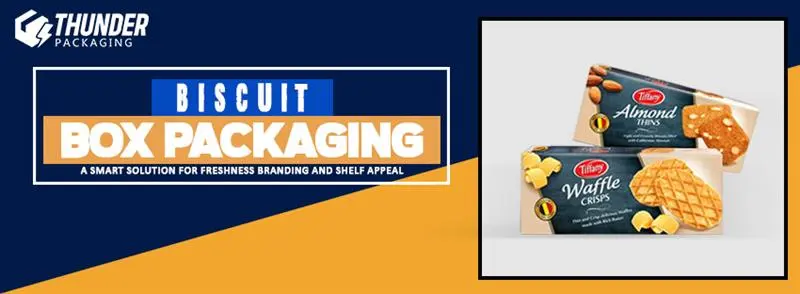
The food industry is the place where businesses want to get more customers and keep their products good. Packaging helps a lot in this area. Biscuit box packaging is not only a box. It helps keep bisc
-
February 16, 2026
-
0
In Australia’s fast‑growing retail and e‑commerce landscape, one thing has become crystal clear: custom packaging is no longer optional—it’s essential. With competition rising across Sydney, Melbourne
-
February 13, 2026
-
0
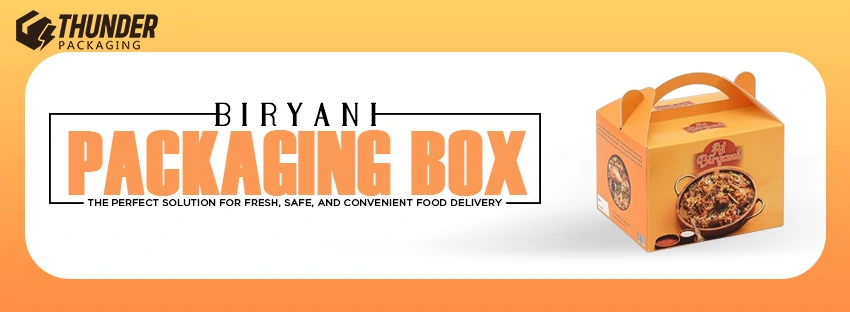
In the fast-growing food industry, the packaging you use is very important. It helps keep the food good and makes people feel happy about what they get. A good biryani packaging box is more than just
-
February 11, 2026
-
0
Moving a bike is about more than just simple packing. If you are a retailer, a business that makes bikes, or someone selling their own bike, you need to pick the right bicycle packing box. This step h